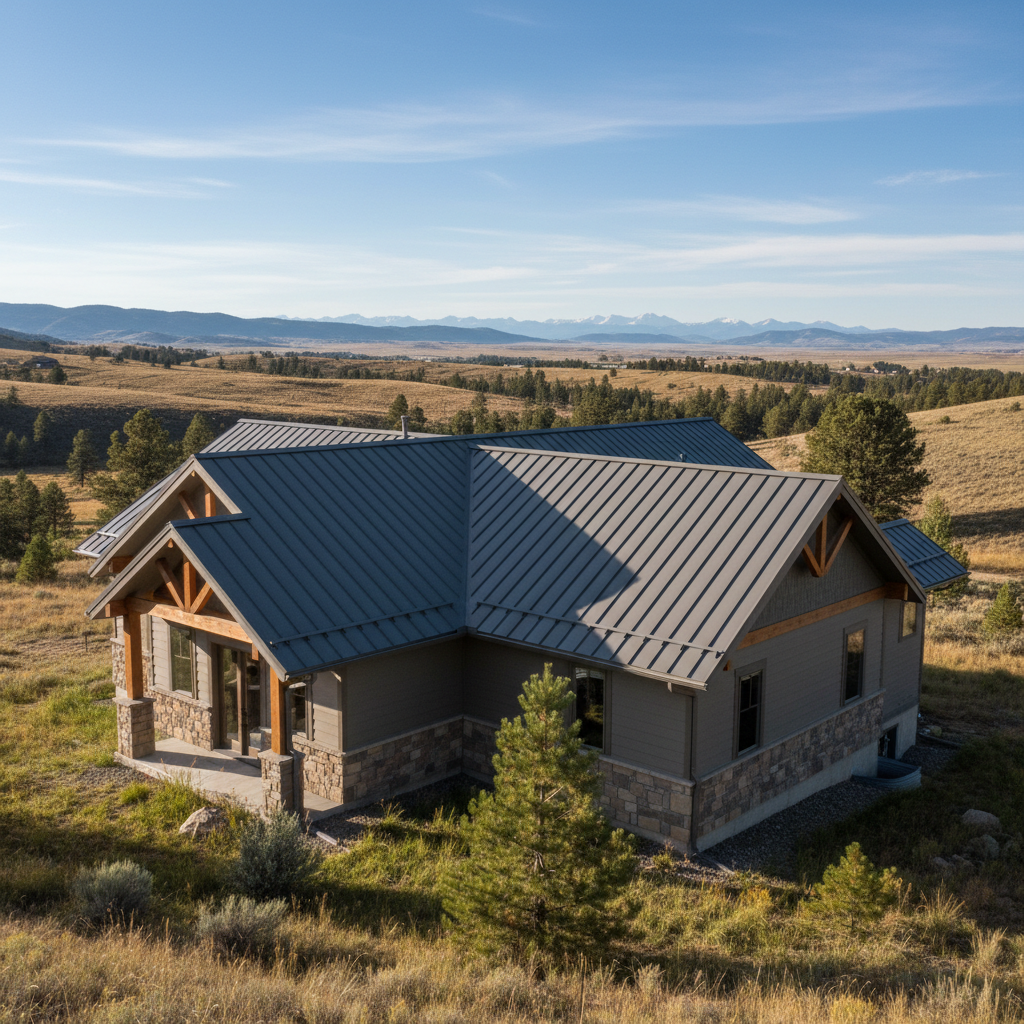
You shelled out good money for a metal roof, right? Good call. They're tough, they look sharp, and they're built to last a good long while. But "a good long while" isn't the same as "forever without a single thought." Even the toughest metal roof needs a little TLC to actually hit that 50-year-plus lifespan, especially with the kind of weather we get here in Bozeman.
I've seen plenty of metal roofs around town, from the newer builds in the Black Bull community to the older ones up in the Hyalite foothills. The ones that really stand the test of time aren't just well-installed; they're well-maintained. Here's what I tell my customers about keeping their metal roof in tip-top shape.
Making Your Metal Roof Last Longer: It's All About Prevention
The best way to make your metal roof last is to stop problems before they even start. It's not brain surgery, just common sense and a bit of attention.
- Keep it Clean: Sounds simple, but it's super important. Leaves, pine needles, dirt, and even bird droppings can pile up on your roof, especially in valleys or around vents. This gunk holds moisture, and that constant dampness can lead to staining, corrosion, or even mess with coatings over time. A good rinse with a garden hose once or twice a year, especially after the cottonwood trees shed or after a big windstorm, can really help. Just don't use a pressure washer unless you know exactly what you're doing – you could strip coatings or force water where it absolutely shouldn't go.
- Trim Those Trees: This is a big one, folks. Branches rubbing on your roof, especially during our windy falls and springs, will eventually scratch the finish. Scratches expose the underlying metal, and that's an open invitation for rust. Keep branches at least 6-8 feet away from your roof surface. It also cuts down on debris buildup, which is a nice bonus.
- Mind Your Gutters: If you've got gutters, keep 'em clear. Clogged gutters mean water backs up and sits against the edge of your roof, which is bad news for any roofing material, metal included. Ice dams are a huge problem here in Bozeman, and clogged gutters just make them worse, wouldn't you agree?
- Snow Management: We get a lot of snow. A properly installed metal roof will shed snow pretty well, but sometimes heavy, wet snow can stick. If you have a steep pitch, snow guards are key to prevent huge avalanches of snow and ice from coming down all at once, which can damage anything below and even pull on your roof panels. If you're using a snow rake, be gentle. You really don't want to scratch the panels.
Regular Maintenance: What You Can Do Yourself
You don't need to be a roofer to do some basic checks. A couple of times a year, ideally in the spring after the snow melts and in the fall before the first big snow, grab some binoculars or get a ladder (safely, please!) and take a good look.
- Visual Inspection: Look for anything out of place. Are there any loose fasteners? Do the seams look tight? See any discoloration or rust spots? Are there any obvious dents from hail? What about flashing around chimneys, skylights, or vents – does it look secure?
- Clear Debris: Like I said, get the leaves and twigs off. Pay special attention to valleys and around any penetrations.
- Check for Scratches: If you spot minor scratches, some manufacturers offer touch-up paint. It's usually a small bottle, kind of like nail polish. This can seal the scratch and stop rust from starting.
These simple checks can catch small issues before they turn into big, expensive problems, which nobody wants.
Warning Signs: When to Pay Closer Attention
Your roof usually tells you when something's up, you just have to know what to listen for (or look for).
- Rust Spots: Any sign of rust, even small specks, needs attention. It means the protective coating has been compromised.
- Loose or Missing Fasteners: Those screws with washers holding your panels down? They can back out over time, especially with our freeze-thaw cycles. A loose fastener is an open door for water, plain and simple.
- Panel Separation or Uplift: If you see panels lifting or seams separating, that's a red flag. Wind can get underneath and cause serious damage.
- Water Stains Indoors: This is an obvious one, but if you see water stains on your ceiling or walls, especially in the attic, your roof is leaking. Don't ignore it.
- Dents or Dings: Hailstorms can leave dents. While metal is tough, severe hail can compromise the integrity of the panels or their coatings.
- Excessive Fading or Chalking: While some fading is normal over decades, excessive or uneven fading, or a chalky residue, can indicate the coating is breaking down faster than it should.
When to Call a Pro: Don't DIY Everything
Look, I'm all for homeowners doing what they can, but some things are best left to the experts. When you see any of those warning signs, or if you're just not comfortable getting on your roof, that's when you call us.
- Leaks: If you've got a leak, you need a professional to find the source and fix it right. Water damage can be insidious and costly.
- Extensive Rust or Corrosion: Small spots you might touch up, but widespread rust means a bigger issue that needs a roofer's assessment.
- Major Storm Damage: After a big hailstorm or a crazy wind event, even if you don't see obvious damage, it's smart to get an inspection. We can spot things you might miss.
- Loose or Damaged Flashing: Flashing is critical for preventing leaks around chimneys, vents, and other roof penetrations. If it's compromised, you need a pro.
- Anytime You're Unsure: Seriously, if you're up there and you're not sure what you're looking at, or if you feel unsafe, just call. It's better to pay for an inspection than to risk a fall or a botched repair.
At Bozeman Roofing Pros, we're happy to come out, take a look, and give you an honest assessment. A little proactive maintenance and knowing when to call for help will ensure that metal roof of yours protects your home for generations. It's a great investment, so let's keep it that way.