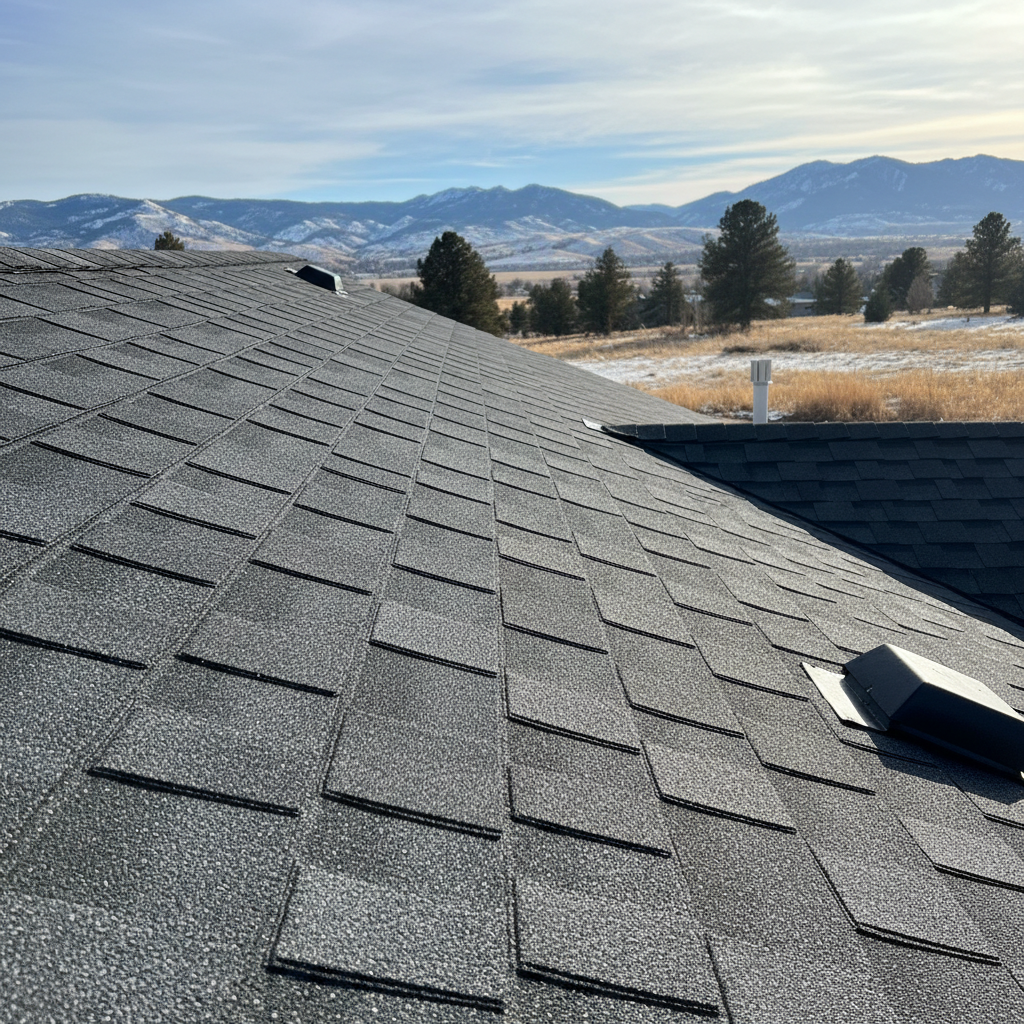
Alright, let's talk about asphalt shingles. Most homes around Bozeman, especially in places like the Valley West neighborhood, are sporting them. And why not? They're popular for a reason: they're affordable, they do a good job, and they're pretty versatile. But whether you're thinking about a full replacement or just some repairs, you've got questions. You absolutely should. It's your roof we're talking about, after all.
Before You Start: Planning & Assessment
First things first, figure out what you're dealing with. Is it just a few missing shingles from a windstorm? Or is your roof looking like it's seen better decades? You can usually spot obvious issues from the ground with a good pair of binoculars. Look for curled edges, cracked shingles, bald spots where granules are gone, or any signs of sagging. If you see moss or algae, especially on those north-facing slopes that don't get much sun, that's a sign of moisture retention. Not great for shingle life, that.
For minor stuff, like a single missing shingle, you might be able to handle it yourself. That is, if you're comfortable on a ladder and have the right safety gear. We're talking a sturdy ladder, non-slip shoes, and maybe even a safety harness. Don't mess around up there, seriously. A fall isn't worth saving a few bucks. If you're replacing just one or two, you'll need a pry bar to gently lift the shingles above. Then pull out the old nails, slide in the new shingle, and nail it down. Finish up by sealing the tabs with a dab of asphalt cement.
But if you see widespread damage, water stains inside your house, or if your roof is just plain old (most asphalt shingles last 20-25 years, maybe less with our harsh Bozeman winters and sun exposure), then you're probably looking at a bigger job. That's when you call in a pro. Please, don't try to re-roof your whole house yourself unless you're a seasoned roofer. It's complicated, dangerous, and if you mess it up, you'll pay a lot more to fix it later.
During the Project: What to Expect
If you've hired a crew, like us at Bozeman Roofing Pros, we'll handle the heavy lifting. But even then, you should know what's happening. A good roofing crew will protect your property – laying down tarps around the house to catch debris. This is especially important for flowerbeds or delicate landscaping. They'll strip off the old shingles, which can be noisy and messy, so be prepared for that. Then comes the inspection of the decking underneath. If there's any rotten or damaged wood, it needs to be replaced before new shingles go down. Skipping this step is a huge mistake, trust me.
Next up is the underlayment – usually a synthetic felt or ice and water shield. This is especially critical in Bozeman to prevent ice dams. Then the new shingles go on. They'll be installed according to manufacturer specifications, with proper nailing patterns and overlaps to ensure they shed water effectively. You'll see bundles of shingles on your roof, air compressors running, and a lot of activity. It's a big job, and it takes a few days, depending on the size and complexity of your roof.
After the Project: Maintenance & Longevity
Once the new roof is on, the crew will clean up thoroughly, often running magnets around your yard to pick up stray nails. Do a walk-around yourself after they leave. Check for any debris, and make sure everything looks neat and tidy. If you see anything that doesn't look right, speak up.
Now for maintenance. This is where you come in. You don't need to be up on your roof every week, but a yearly inspection from the ground or a ladder is smart. Look for any signs of damage – missing granules, lifted tabs, or anything that looks out of place. After a big storm, it's a good idea to do a quick check too. Clear gutters regularly; clogged gutters can cause water to back up under your shingles, leading to rot and leaks. Trim back any tree branches that are rubbing against your roof; they can scrape off granules and cause premature wear.
If you spot a problem early, it's usually a simple fix. A small repair is always cheaper than a full-blown leak and interior damage, right? Don't ignore those little things. They rarely get better on their own. And if you're ever unsure, or if it's beyond a simple DIY patch, just give us a call. That's what we're here for.